



Ipari hírek


Ipari hírek
Hogyan működnek a szélturbinás sebességváltó kovácsolások?
2026-06-12
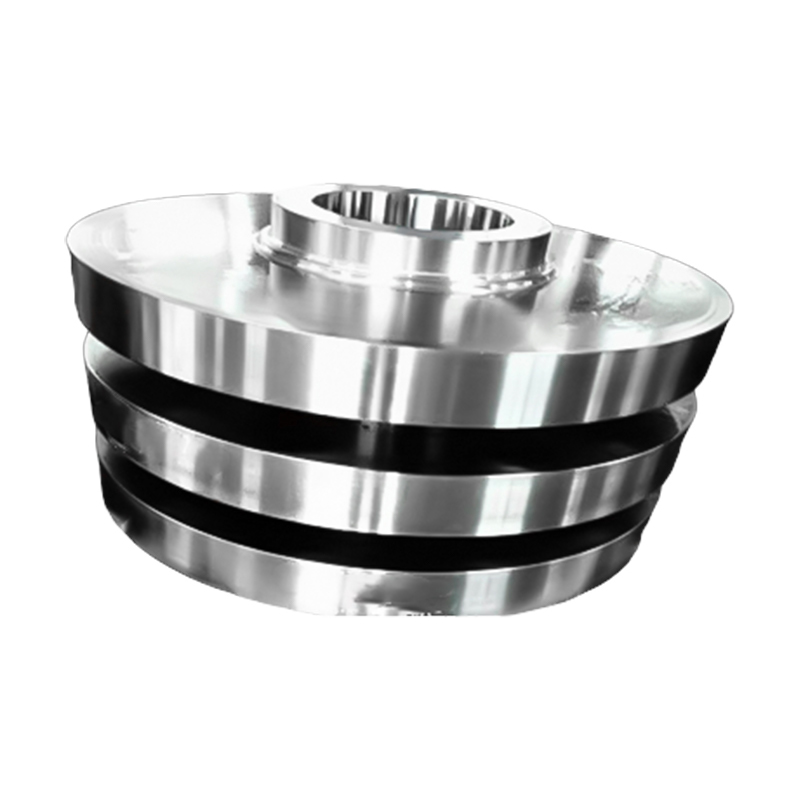
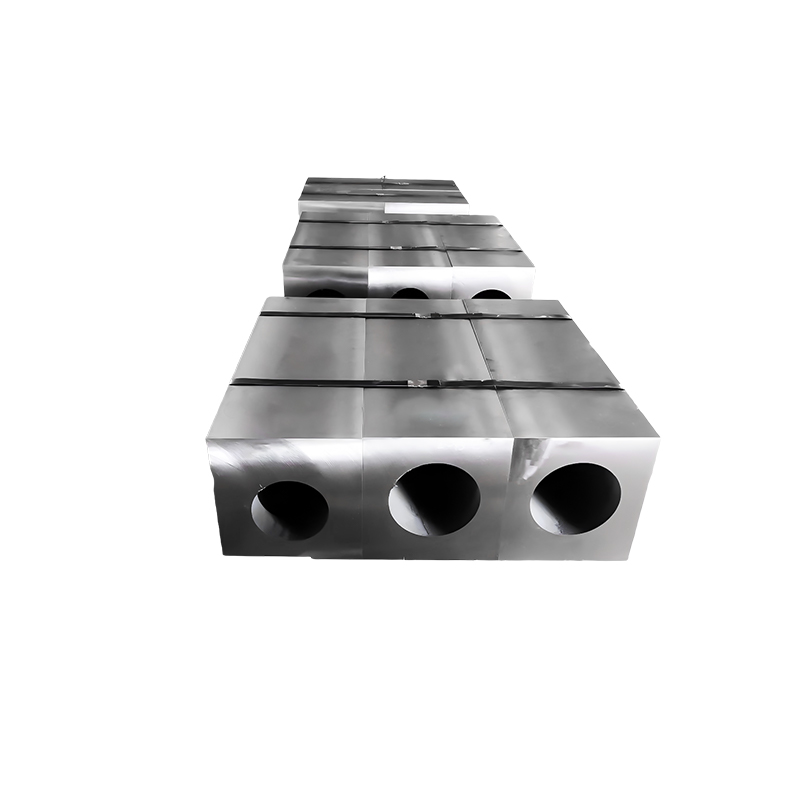
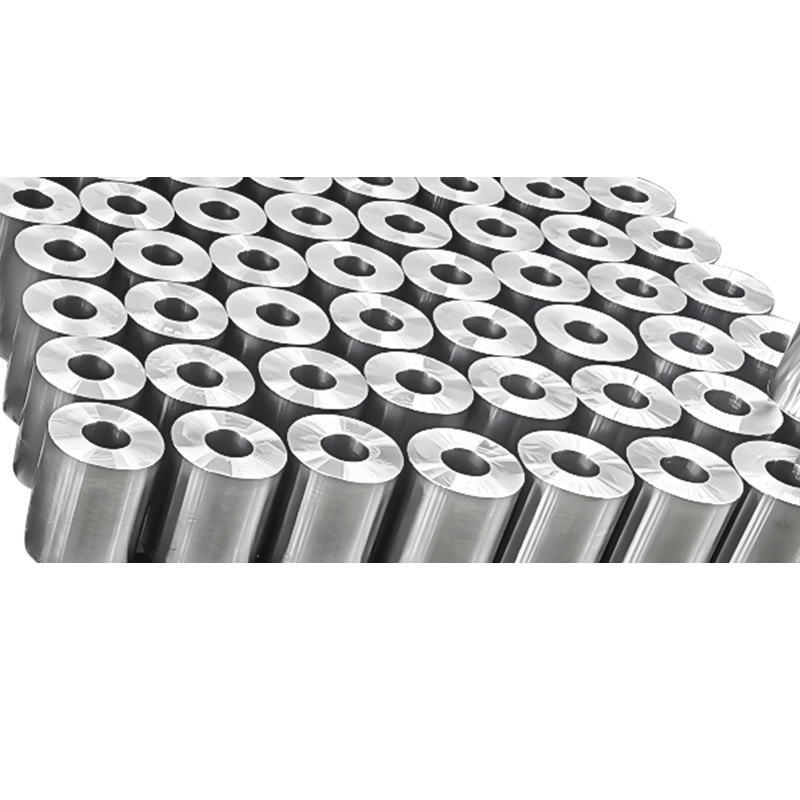
Szélturbinás hajtómű kovácsolás vannak precíziós tervezésű fém alkatrészek kiváló minőségű ötvözött acél szabályozott deformációjával készül, kifejezetten a szélturbina hajtásláncán belüli forgási erők átvitelére és felerősítésére. Egyszerűen fogalmazva, ezek a hajtómű szerkezeti gerincét alkotják – a rotorlapátok lassú, nagy nyomatékú forgását az elektromos generátor által igényelt gyorsabb tengelysebességgé alakítják át.
Egy modern, több megawattos szélturbina rotorja nagyjából forog 5-15 ford./perc , míg a generátor bemeneti sebességet igényel 1000-1800 ford./perc . A sebességváltó áthidalja ezt a rést egy sor fogaskerék fokozaton keresztül, és ebben a szerelvényben minden fogaskeréknek, tengelynek, gyűrűs fogaskeréknek és bolygótartónak hatalmas ciklikus terhelést kell ellenállnia a tervezett élettartam alatt. 20 év vagy több . A kovácsolt anyagok szemcsefinomított mikrostruktúrát és mechanikai integritást biztosítanak, amihez az öntött vagy a rúdból megmunkált alternatívák egyszerűen nem férnek hozzá ebben a méretben.
A sebességváltó szerepe a szélenergia átalakításában
Ahhoz, hogy megértsük, miért számít a kovácsolás minősége, segít megérteni a szélturbinás sebességváltóval szemben támasztott mechanikai követelményeket. A hajtásláncnak kezelnie kell:
- Folyamatosan változó nyomaték, mivel a szélsebesség kiszámíthatatlanul ingadozik
- Hirtelen nyomatékugrások hálózati hibák vagy vészleállások során
- A rotor agyáról továbbított hajlítási és torziós terhelések
- Hőciklus a hidegindítás és az üzemi hőmérséklet között
- Fáradási terhelési ciklusok milliárdjai a turbina élettartama alatt
Egy 3 MW-os turbinás hajtómű egyetlen bolygókerekes fokozata meghaladhatja a tangenciális csúcserőket. 500 kN . Csak a kifinomult, homogén belső szerkezetű – kovácsolással elérhető – alkatrészek bírják ezeket a feltételeket repedés vagy idő előtti meghibásodás nélkül.
A kovácsolás által gyártott kulcselemek
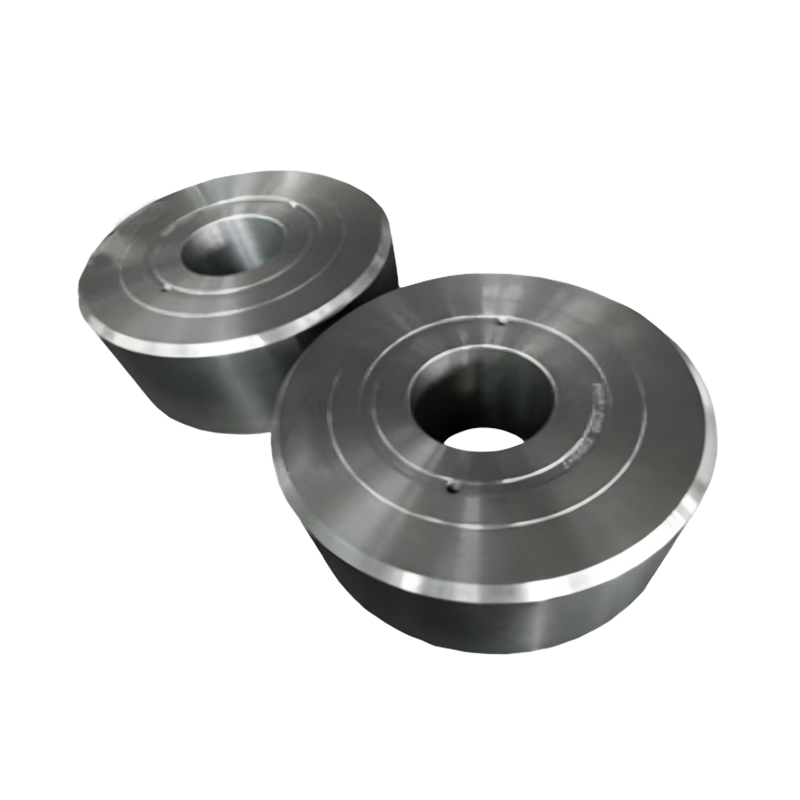
A szélturbina sebességváltójának nem minden alkatrésze kovácsolt, de a szerkezetileg legkritikusabbak igen. A következő alkatrészeket rutinszerűen kovácsoltva gyártják:
| Összetevő | Funkció | Tipikus anyag |
|---|---|---|
| Bolygóhordozó | Támogatja a bolygókerekes fogaskerekeket, és bolygófokozatban továbbítja a nyomatékot | 18CrNiMo7-6 / 42CrMo4 |
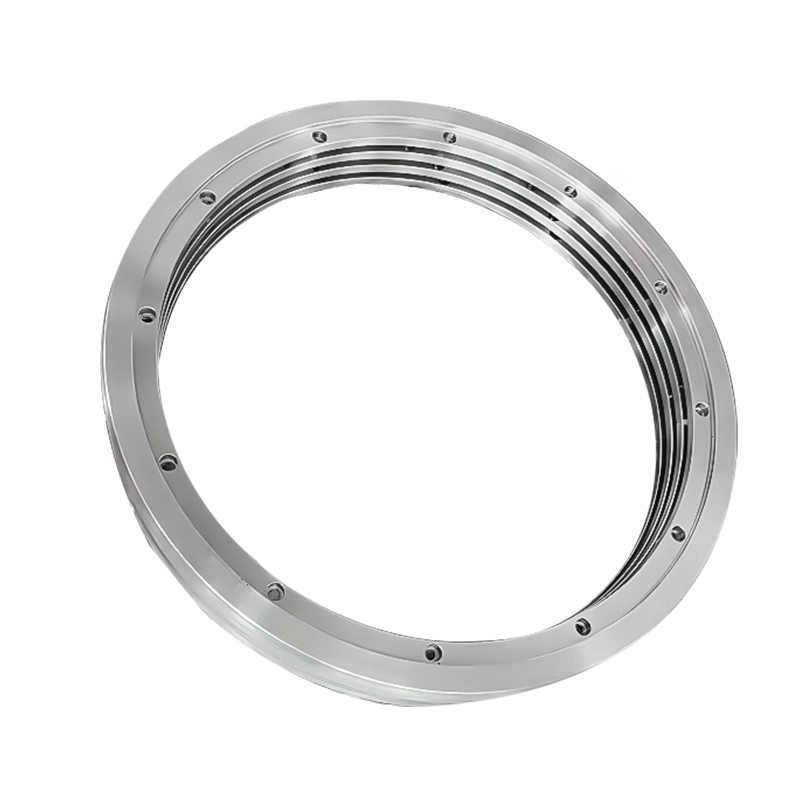
| Üres gyűrű | Külső hajtóműház bolygófokozat-összekapcsoláshoz | 42CrMo4 / 34CrNiMo6 |
| Üreges bemeneti tengely | A fő rotor tengelyét az első fokozathoz csatlakoztatja | 34CrNiMo6 / 30CrNiMo8 |
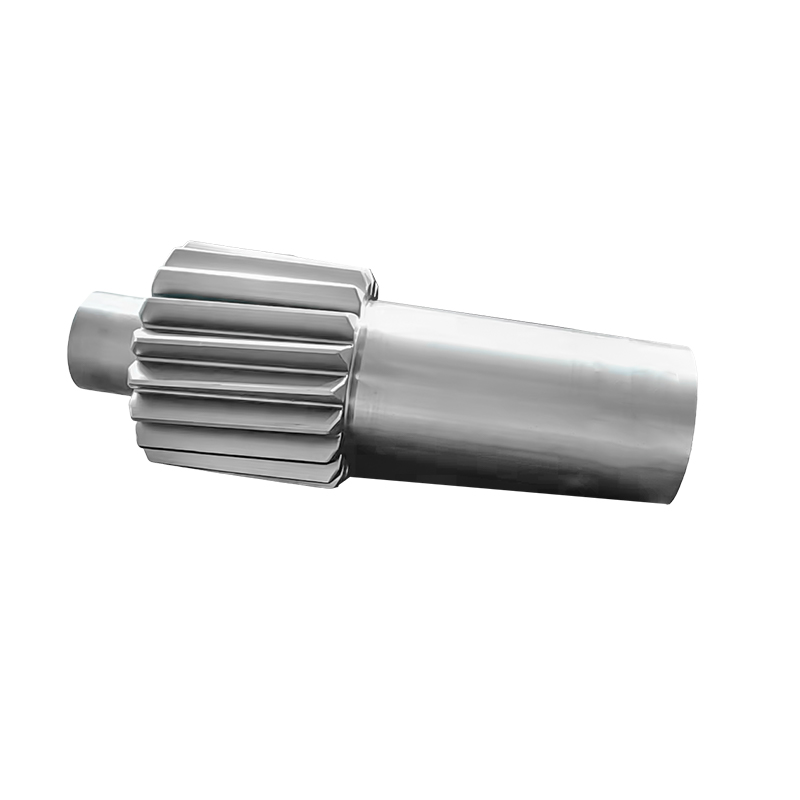
| Nagy sebességű kimenő tengely | Forgási energiát szállít a generátornak | 18CrNiMo7-6 |
| Hengeres fogaskerék üres | Közepes és nagy sebességű sebességfokozatú erőátvitel | 18CrNiMo7-6 |
| Sebességváltó ház karima | Szerkezeti interfész a sebességváltó és a gondolaváz között | 42CrMo4 / Szerkezeti ötvözött acél |
Anyag kiválasztása sebességváltó kovácsolásához
Az anyagválasztás az első kritikus döntés egy megbízható sebességváltó kovácsolásakor. A minőségnek egyszerre több, gyakran egymással versengő követelménynek is meg kell felelnie: nagy edzhetőség a mélyedzéshez, elegendő magszívósság az ütési terhelések ellenállásához, finom ausztenites szemcseméret a fáradásállóság érdekében, hegeszthetőség vagy megmunkálhatóság a későbbi feldolgozáshoz.
Előnyben részesített ötvözetminőségek
Az iparág a bevált ötvözött acélok viszonylag rövid listájához közeledett:
- 18CrNiMo7-6 — a legszélesebb körben használt tokban edzett acél fogaskerekes nyersdarabokhoz; felületi keménységét éri el 58–62 HRC karburálás és keményítés után, miközben megtartja a kemény magot a fenti Charpy ütési értékekkel 60 J -40 °C-on .
- 42CrMo4 — edzett acél, amely az egyenletes keresztmetszet-szilárdságot igénylő tengelyekhez és tartókhoz ajánlott; tipikus szakítószilárdsága 1000–1200 MPa hőkezelés után.
- 34CrNiMo6 — előnyösen nagy átmérőjű bemeneti tengelyekhez, ahol a keresztmetszet edzhetősége kritikus; kiváló kifáradási határ kb 550 MPa .
- 30CrNiMo8 - a legigényesebb nagy kovácsolt tengelyekhez használják több megawattos platformokon, amelyek folyáshatára általában meghaladja 900 MPa .
Tisztaság és befogadás ellenőrzése
Ugyanilyen fontos az acél tisztasága. A szélhajtómű-kovácsolások általában vákuumgáztalanítást (VD) vagy vákuumíves újraolvasztást (VAR) igényelnek, hogy a hidrogéntartalom alá csökkenjen. 2 ppm alatta pedig kén 0,010% . A nem fémes zárvány besorolásoknak meg kell felelniük az olyan szabványoknak, mint az ISO 4967 vagy az ASTM E45, mivel még a kis timföld- vagy szulfidszálak is kifáradási repedések keletkezési helyeiként működnek nagy ciklusú terhelés esetén.
A kovácsolási folyamat lépésről lépésre
A sebességváltó alkatrészeinek kovácsolása gondosan ellenőrzött sorrendet követ. Mindegyik szakasz hozzájárul az alkatrész végső mechanikai tulajdonságaihoz.
1. Rúd vagy tuskó előkészítése
A kiindulási anyag jellemzően egy folyamatos öntésű tuskó vagy egy vákuum-gáztalanított tuskó. Nagyméretű alkatrészekhez, mint például a túlsúlyos bolygóhordozókhoz 1000 kg , a tömböt előnyben részesítik a kémiai homogenitás biztosítása érdekében. A tuskó tetejét (csőzóna) és alját (elválasztó zóna) levágják és eldobják, hogy csak tiszta, homogén anyag kerüljön a kovácsolási folyamatba.
2. Fűtés és áztatás
A tuskót gáztüzelésű vagy elektromos kemencében melegítik fel jellemzően a kovácsolás hőmérsékleti tartományára 1100–1250 °C gyengén ötvözött acélokhoz. Az áztatási időt a szelvény vastagsága alapján számítják ki, hogy egyenletes hőmérsékletet biztosítsanak a keresztmetszetben, elkerülve a hőmérsékleti gradienseket, amelyek egyenetlen alakváltozást és maradó feszültséget okoznának.
3. Nyitott vagy zárt sajtolású kovácsolás
Az alkatrész geometriájától és a gyártási mennyiségtől függően vagy nyitott sajtolású (szabad kovácsolás) vagy zárt sajtolású (nyomott szerszám) kovácsolást alkalmaznak:
- Nyitott szerszámos kovácsolás alapfelszereltség a nagy tengelyekhez és tárcsákhoz. A nyomóerők tól 20 MN és 125 MN között a legnehezebb szélhajtómű-alkatrészekhez. Több menet progresszív redukciós arányokkal finomítja a szemcseszerkezetet és lezárja a belső üregeket.
- Zárt szerszámos kovácsolás Alkalmas kisebb, geometriailag összetett alkatrészek, például bolygókerekes nyersdarabok közel hálóalakú gyártásához, csökkentve az anyagpazarlást és az ezt követő megmunkálási ráhagyást.
A kovácsolási arány – a kezdeti és a végső keresztmetszeti terület aránya – kulcsfontosságú folyamatparaméter. A szélhajtómű-kovácsolással kapcsolatos iparági gyakorlat általában megköveteli a minimális kovácsolási arányt 4:1-től 6:1-ig megfelelő szemcsefinomítás és az öntött dendritszerkezet megszüntetése érdekében.
4. Szabályozott hűtés
A kovácsolás után az alkatrészeket ellenőrzött körülmények között lehűtik. A gyors vagy ellenőrizetlen hűtés kioltási repedéseket vagy maradék hidrogén okozta hibákat okozhat az ötvözött acél kovácsolásoknál. A legtöbb nagy kovácsolt anyagot szigetelődobozokba helyezik, vagy lassan hűtik kemencékben a programozott sebességgel. 20-50 °C/óra lefelé 300 °C .
Hőkezelés: A teljes mechanikai potenciál felszabadítása
A kovácsolás önmagában finomítja a szemcseszerkezetet, de a hőkezelés az, ami eléri a megcélzott mechanikai tulajdonságprofilt. A szélhajtómű kovácsolása a következő hőkezelési módok közül egy vagy több alá esik:
Normalizálás és lágyítás
Közvetlenül a kovácsolás után alkalmazzák a kovácsolási feszültségek enyhítésére, a mikroszerkezet homogenizálására és a megmunkálhatóság javítására a végső hőkezelés előtt. A normalizálás időpontja 850-920 °C , majd léghűtés következik.
Kioltás és temperálás (Q&T)
Átkeményített alkatrészekhez, például tengelyekhez és tartókhoz, ausztenitizáláshoz 840-880 °C ezt követi az olajos vagy vízes kioltás martenzites szerkezet kialakítására, majd temperálás at 550-650 °C az erő és a szívósság megcélzott kombinációjának eléréséhez. Ez az eljárás a következő tartományba eső szakítószilárdságot eredményez 900–1200 MPa jó szívóssággal.
Tok keményítése (karburáló kioltás)
A keményedő acélból, például a 18CrNiMo7-6-ból készült fogaskerekes nyersdarabokat karburáló kemencékben dolgozzák fel. 880-980 °C szénben gazdag atmoszférában sok órán át, szénnel dúsított felszíni réteget építve ki 0,8-2,5 mm mélysége. Karburizálás, hűtés és alacsony hőmérsékletű temperálás után ( 150-200 °C ) esetkeménységet állítanak elő 58–62 HRC nyomómaradék feszültségekkel, amelyek jelentősen növelik a foggyökér és a fogoldal kifáradási szilárdságát.
Indukciós edzés
A tengelycsapok és a csapágyfészek gyakran szelektíven indukciósan edzettek a helyi felületi keménység elérése érdekében. 54–62 HRC miközben megőrzi a mag szívósságát. Ez különösen praktikus nagy tengelyeknél, ahol a teljes ház karburálása nem lenne praktikus.
Miért jobb a kovácsolás a sebességváltó-alkatrészek öntésénél?
A mechanical advantages of forging over casting are well-documented in metallurgical literature and field failure analysis. The differences are especially pronounced under the fatigue-dominated loading conditions that wind gearbox components experience:
- Fáradtság erőssége: A kovácsolt anyagok általában fáradási határokat mutatnak 20-30%-kal magasabb mint az azonos ötvözet hasonló öntvényei, a porozitás kiküszöbölése és a szemcseáramlásnak a feszültség irányával való összehangolása miatt.
- Ütésállóság: A unbroken grain flow in forgings gives Charpy impact values that can exceed those of castings by a factor of 2-től 3-ig alacsony hőmérsékleten, kulcsfontosságú a sarkvidéki körülmények között működő tengeri szélturbinák számára.
- Méretek konzisztenciája: Az ellenőrzött préskovácsolás szűkebb mérettűrést biztosít, csökkentve a későbbi megmunkálási időt és az anyagleválasztást.
- Felületi integritás: A deformed, compressed surface of a forging is inherently more resistant to surface fatigue, pitting, and micro-crack initiation than a cast surface.
| Tulajdon | Kovácsolás | Öntés |
|---|---|---|
| Szemcseszerkezet | Finomított, az alkatrész geometriájához igazítva | Durva dendrites, véletlenszerű orientáció |
| Belső porozitás | A deformáció során megszűnik | Az inherens zsugorodási porozitás kockázata |
| Szakítószilárdság | 900–1200 MPa (alloy Q&T) | 600–900 MPa (tipikus szerkezeti öntvény) |
| Fáradtsági határ | 20-30%-kal magasabb | Alapvonal |
| NDE megbízhatóság | Magas (egyenletes szerkezetű) | Összetettebb (gázpórusok, zsugorodás) |
Precíziós megmunkálás kovácsolás után
A kovácsolt anyagok durva alakú, hálóhoz közeli alkatrészekként érkeznek, és összeszerelés előtt pontos műszaki tűrésekkel kell megmunkálni őket. A megmunkálási szakaszok a következőket tartalmazzák:
- Durva esztergálás és marás a kovácsolási lerakódás eltávolítására és a külső méretek durva megmunkálási tűréshatáron belüli beállítására
- Fogaskerék fogvágás hobbolással vagy formázással, majd borotválással vagy köszörüléssel a fogprofil pontossági osztályának elérése érdekében ISO 5 vagy jobb
- Kemény esztergálás és hengeres köszörülés csapágycsapok felületi érdesség értékeinek eléréséhez Ra 0,4–0,8 µm és belül a kerekségi tűréseket 5 µm
- Fogaskerék fogcsiszolás tok-edzés után a hőtorzulás kijavítása és a végső profil és ólomtűrések elérése érdekében
- Lövés pénisz a fogaskerekek foggyökerei, hogy előnyös nyomó-maradék feszültségeket hozzon létre, meghosszabbítva a kifáradás élettartamát 15-25%
A integrated combination of forging, heat treatment, and precision machining within a single production organization — as practiced by comprehensive heavy industrial manufacturers — is critical for maintaining quality chain continuity and minimizing inter-process handling damage.
Minőségellenőrzés és roncsolásmentes értékelés
Tekintettel a szélhajtómű-kovácsolás biztonságkritikus jellegére, több gyártási szakaszban is kötelező az átfogó ellenőrzés. A szabványos ellenőrzési sorrend a következőket tartalmazza:
- Ultrahangos tesztelés (UT) — a durva kovácsoláson a belső folytonossági hiányosságok, például csőmaradványok, hidrogénpelyhek vagy elválasztó sávok észlelése céljából. Az elfogadási feltételek általában az EN 10228-3 vagy az ASTM A388 szabványt követik.
- Mágneses részecskevizsgálat (MPI) — felületi és felületközeli repedések kimutatására alkalmazzák végső megmunkálás és hőkezelés után.
- Keménységvizsgálat — A Brinell vagy Rockwell mérések megerősítik, hogy a hőkezelés a keresztmetszetben elérte a megadott keménységi tartományt.
- Mechanikai tulajdonságvizsgálat — a kovácsolási hosszabbításokból (meghosszabbításokból) vett tanúteszt-szelvényeket szakítószilárdságra, folyáshatárra, nyúlásra, területcsökkentésre és Charpy ütési energiára vizsgálják, általában környezeti hőmérsékleten és −40 °C .
- Méret- és fogaskerék-metrológia — a koordináta mérőgépek (CMM) és a fogaskerék-elemző gépek ellenőrzik, hogy minden mérettűrés, beleértve a fogprofilt, a csavarvonal szögét, a dőlésszöget és a kifutást, a rajzi specifikáción belül van-e.
- Felületi érdesség és a tok mélységének ellenőrzése — biztosítja, hogy a karburált rétegek megfeleljenek az előírt tényleges tokmélység- és felületkeménységi követelményeknek.
A teljes nyomon követhetőségi dokumentáció minden kovácsolást kísér, az olvadékhő-számtól és a kémiai összetételi tanúsítványtól a végső ellenőrzési jegyzőkönyvekig, lehetővé téve a szélturbinákat tanúsító szervek által megkövetelt teljes ellenőrzési nyomvonalakat.
Telepítési útmutató a szélhajtómű kovácsolásához
Még a legjobb minőségű kovácsolás is alulteljesíthet, ha helytelenül van beépítve. A következő beszerelési gyakorlatok érvényesek a sebességváltó tengelyére és a hajtómű-egységekre:
- Tisztaság: Összeszerelés előtt minden illeszkedő felületet, kulcshornyot, bordát és csapágyházat alaposan meg kell tisztítani és zsírtalanítani kell. A szennyeződés részecskéi olyan kicsik, mint 20 µm az interferenciás illesztésű kötéseken sérülékeny károsodást okozhat.
- Az interferencia illeszkedik: A zsugorodó alkatrészeket fel kell melegíteni 80-120 °C környezeti hőmérséklet felett (általában indukciós fűtőszerszámok vagy szabályozott sütők használatával), hogy az összeszerelés előtt elérjük a szükséges hőtágulást. A lángfűtés nem elfogadható, mivel helyi kohászati károsodást okoz.
- Nyomaték és előfeszítés: Minden rögzítőelemet meg kell húzni a megadott nyomatékértékekre kalibrált nyomatékszerszámok segítségével. A nagy átmérőjű karimás csavaroknál a hidraulikus csavarfeszítést részesítjük előnyben az egyenletes előterheléseloszlás biztosítása érdekében.
- Igazítás: A tengelytengelykapcsoló beállítását mérőórákkal vagy lézeres beállító eszközökkel kell ellenőrizni, hogy biztosítsák a párhuzamosságot és a szögbeállítást a gyártó által megadott tűréshatáron belül, jellemzően 0,05 mm/m .
- Kenés: A correct grade of synthetic gearbox oil (typically ISO VG 320 or ISO VG 460) must be used at the recommended fill level, and the first oil change is typically scheduled within the initial 500-1000 üzemóra a betörési kopórészecskék átöblítésére.
Gyakori hibaüzemmódok és diagnosztikai módszerek
A sebességváltó-kovácsolatok meghibásodási módjainak ismerete lehetővé teszi a proaktív karbantartási tervezést. A leggyakrabban előforduló hibamódok a következők:
A fogaskerekek fogfáradtsága (piszkálás és repedés)
Az érintkezési kifáradás a fogaskerék fogazatának osztásvonalán a felületi lyukacsosodásban nyilvánul meg, amely végül kipattogzássá válik, ahol a keményített anyag nagyobb pelyhei letörnek. Az okok közé tartozik a túlterhelés, a kenőanyagfilm lebomlása és a tok nem megfelelő keménységi mélysége. A rezgésspektrum-elemzés általában felfedi fogaskerék háló frekvencia oldalsávok mielőtt vizuális károsodás észlelhető.
Hajlító fáradtság a foggyökérnél
A foggyökérnél fellépő ciklikus hajlítófeszültségek kifáradási repedéseket okozhatnak, különösen akkor, ha a tok mélysége nem megfelelő, a gyökér geometriája nincs megfelelően köszörülve, vagy abnormális dinamikus terhelések tapasztalhatók. A gyökérrepedések gyorsan terjednek, és katasztrofális fogtörést okozhatnak. Olajtörmelékrészecske-analízis (ferrográfia) kimutatás 50 µm-nél nagyobb darabok a kenési körben egy korai figyelmeztető jel.
Tengelyfáradásos repedés
A tengelyek kifáradási repedésre hajlamosak olyan feszültségkoncentrációs jellemzőknél, mint a kulcshornyok, a rögzítőgyűrű hornyok és a vállkivágások. A filé megfelelő sugárméretezése (általában R ≥ 2 mm kritikus átmeneteknél) és a kulcshornyok kivágása standard mérséklő intézkedés a modern kivitelben.
Bearing Race Fretting és Spalling
A bolygókerekes csapágyak és a főtengely csapágyai nagy kopásnak számítanak. A csapágypályák széthasadása jellegzetes, gyorsulásmérőkkel észlelhető, nagyfrekvenciás vibrációs jeleket generál. Állapotfigyelő rendszerek mintavételezése a fenti gyakorisággal 20 kHz képes azonosítani a korai viselési nehézséget hetekkel a hiba fokozódása előtt.
Diagnosztikai eszközök
A modern szélturbinák folyamatos állapotfigyelő rendszereket (CMS) integrálnak, amelyek rögzítik:
- A sebességváltó házán lévő gyorsulásmérők rezgésspektrumai
- Az olaj hőmérséklete, viszkozitása és a törmelékrészecskék száma
- Akusztikus emissziós jelek a csapágypályákból
- Nyomaték és forgási sebesség adatok SCADA rendszerekből
Anomáliák észlelésekor a fogaskerék fogfelületeinek terepi boroszkópos vizsgálata és a spektrometriai elemzéshez szükséges olajmintavétel megerősítheti és jellemezheti a hibát a tervezett csere ütemezése előtt, elkerülve a nem tervezett leállási költségeket, amelyek elérhetik 50 000–200 000 euró eseményenként offshore létesítményekhez.
Hogyan befolyásolja közvetlenül a kovácsolás minősége a szélenergia-hatékonyságot
A connection between forging quality and wind farm energy yield is direct and quantifiable. A gearbox that operates reliably and efficiently contributes to turbine availability, which is the primary driver of annual energy production (AEP).
Az iparági benchmark adatok azt mutatják, hogy a sebességváltó meghibásodása megközelítőleg felelős A szélturbinák nem tervezett leállásának 10-20%-a , átlagos javítási idővel 5-14 nap a daru rendelkezésre állásától és az alkatrészek átfutási idejétől függően. 3 MW-os turbinához, amely a 35%-os kapacitástényező , egyetlen hét nem tervezett sebességváltó állásidő kb 588 MWh kieső termelés .
A rendelkezésre álláson túl a sebességváltó mechanikai hatékonysága közvetlenül kapcsolódik az erőátviteli veszteségekhez. A kiváló minőségű kovácsolt és precíziós köszörülésű fogaskerekek optimális felületkezeléssel és foggeometriával a spirális fokozat feletti hatékonyságot érhetik el 99,5% hálónként . Egy háromfokozatú sebességváltó esetében ez a teljes átviteli hatékonyságot megközelítőleg 98,5% , maximalizálja a rotor kinetikus energiájának elektromos kimenetté történő átalakítását.
Ez az oka annak, hogy a komoly szélturbina-gyártók és az OEM sebességváltó-beszállítók precíz kohászati és méretezési követelményekkel határozzák meg a kovácsolt alkatrészeket – a kovácsolás minőségébe fordított befektetés sokszorosan megtérül a hosszabb élettartam és az életciklus-karbantartási költségek csökkentése révén.
ACE Csoport: Integrált szélturbinás sebességváltó kovácsolás
Az ACE Group egy átfogó vállalatcsoport, amely a nehézipari gyártási szektorban van jelen, de elkötelezetten működik Szélturbinás hajtómű kovácsolás szállítója . A vállalat integrált üzleti modellje felöleli a kovácsolást, a hőkezelést, a precíziós megmunkálást, a hegesztett szerkezeteket és a nagy teherbírású, nagy teljesítményű és szabad láncpermetezésű gyártást – lefedi az ipari gépalkatrészekhez szükséges teljes alapvető gyártási folyamatot.
Ez az integrált elrendezés jelentős működési előnyt jelent a szélenergia ellátási láncában. A kovácsolás, a hőkezelés és a precíziós megmunkálás egyetlen szervezeten belüli ellenőrzésével az ACE Group kiküszöböli a létesítmények közötti kezelési kockázatokat, fenntartja a folyamatos minőségi lánc nyomon követhetőségét, és optimalizálni tudja a feldolgozási sorrendet minden egyes komponenshez – a kezdeti kovácsolási paraméterek kiválasztásától a végső méretellenőrzésig és tanúsításig.
A combination of technológiai szakértelem és nagyüzemi gyártási képesség az ACE Group a globális szélturbina-hajtómű-gyártók és az 1-es szintű beszállítók kiszolgálására helyezi a pozíciókat, akik egységes, tanúsított kovácsolási kellékeket igényelnek a több megawattos turbinaplatformokhoz.

Hírek
Üzenjen nekünk most!
-
Mobil terminál
-
Gyors linkek
Termékek Rólunk Felszerelés és kapacitás Minőség Hírek Lépjen kapcsolatba velünk -
Termékkategória
Elektromos energia kovácsolás Hajó- és kikötői gépek kovácsolása Bányászati és Kohászati Kovácsoltvas Élelmiszer- és takarmányipari gépek kovácsolása Petrolkémiai ipari kovácsolás Hegesztés gyártása TESTRE SZÁMÍTOTT BEFEJEZÉSI ALKATRÉSZEK -
Lépjen kapcsolatba velünk
Mob.: +86-173 7218 0878 Tel.: +86-515-8389 0396 E-mail: ivy.zhai@aceprocess.cn Add.: No.21 Jinfeng Road, Gazdaságfejlesztési Park, Dafeng District, Yancheng City, Jiangsu, Kína
Szerzői jog © 2025 Yancheng ACE Machinery Co., Ltd. Minden jog fenntartva.
Kínai nyitott kovácsoltvas gyártó
egyedi precíziós kovácsolás szállítója
